
Your Dream Shore Bathroom: A Guide to Flood-Resilient Renovation
Living at The Shore offers an unparalleled lifestyle, but it also comes with unique challenges for our homes. The salty air, high humidity, and the ever-present risk of coastal storms mean that a standard bathroom renovation just won’t cut it. You envision a serene, spa-like retreat, but the reality of potential water damage can be a constant worry. How can you create a beautiful bathroom that not only looks great but is also built to withstand the demanding coastal environment?
Designing for resilience doesn't mean sacrificing style. It’s about making smart, informed choices from the ground up. This guide will walk you through the key materials, design strategies, and considerations for a flood-resilient bathroom renovation. At RhythmCraft Remodeling, we believe in building spaces that offer both beauty and peace of mind, ensuring your investment is protected for years to come.
Start with a Waterproof Foundation: Materials That Matter
The single most important factor in a flood-resilient bathroom is the selection of materials. Water is relentless, and materials that absorb and hold moisture are the primary cause of rot, mold, and costly structural damage. This is where quality workmanship and deep material knowledge are non-negotiable.
-
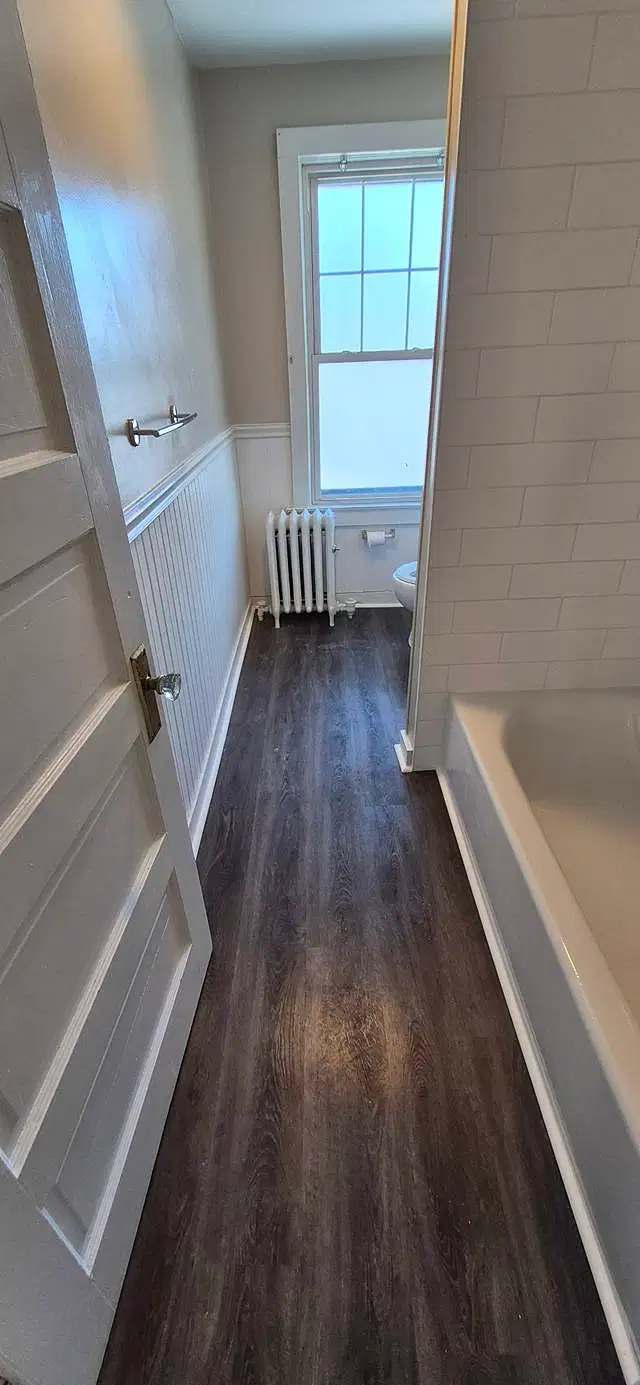
Flooring and Walls: Forget porous materials. The gold standard for a coastal bathroom is porcelain or ceramic tile. When installed correctly over a waterproof membrane, tile creates a formidable barrier against water. For a seamless look, consider running tile partway up the walls to create a wainscoting effect. Behind the tile, we use cement board or fiberglass-mat gypsum board, which are impervious to moisture, unlike traditional paper-faced drywall.
-
Vanities and Cabinetry: Wood swells and particleboard disintegrates when wet. That’s why we recommend vanities made from solid wood, marine-grade plywood, or modern PVC and composite materials. A wall-mounted or “floating” vanity is an even better choice, as it keeps your cabinetry completely off the floor, safe from standing water.
-
Trim and Doors: Standard MDF (medium-density fiberboard) baseboards act like a sponge when exposed to water. For a truly durable finish, PVC or other composite baseboard and trimwork is the only way to go. It looks just like wood but is completely waterproof and will never swell, rot, or grow mold.
Smart Design for a Drier, Healthier Space
Beyond materials, the layout and design of your bathroom can significantly enhance its resilience. Thoughtful planning minimizes the potential impact of both minor leaks and major flooding events.
-
Elevate Your Fixtures: As mentioned, wall-mounted vanities are a fantastic choice. The same principle applies to toilets. A wall-hung toilet not only provides a clean, modern aesthetic but also makes the floor completely accessible and easy to dry out if water gets in.
-
Strategic Electrical Placement: In an elevated home, it's crucial to consider the placement of electrical outlets, switches, and wiring. Whenever possible and within code, locating these elements higher on the walls can prevent them from being submerged during a flood, reducing the risk of electrical hazards and costly repairs.
-
Prioritize Ventilation: Everyday humidity is a constant battle in a beach house. A high-capacity, properly vented exhaust fan is not a luxury—it's a necessity. It helps prevent the buildup of moisture that leads to mildew and compromised indoor air quality, protecting the long-term health of both your home and your family.
Navigating Coastal Building Codes and Regulations
Renovating a home in a designated flood zone involves more than just picking out tile. There are specific local and federal regulations (like FEMA standards) that must be followed to ensure your project is compliant, safe, and insurable. These rules can dictate everything from the types of materials allowed below the Base Flood Elevation (BFE) to how plumbing and electrical systems must be configured.
This is often the most stressful part of a renovation for homeowners. The paperwork, inspections, and technical requirements can be overwhelming. Working with a general contractor who has proven experience in coastal construction is critical. At RhythmCraft Remodeling, we understand the nuances of these regulations. We partner with knowledgeable specialists to ensure every aspect of your project, from initial plans to final inspection, meets or exceeds all local building codes, taking that burden completely off your shoulders.
Build a Bathroom That Lasts a Lifetime
A flood-resilient bathroom renovation is an investment in your property and your peace of mind. By choosing waterproof materials, implementing smart design strategies, and working with a contractor who understands coastal regulations, you can create a stunning space that is built to endure the unique environment of The Shore.
If you’re ready to transform your bathroom into a beautiful and durable retreat, we’re here to help. The team at RhythmCraft Remodeling brings a commitment to quality, transparency, and integrity to every project. Contact us today to schedule a consultation for your bathroom remodeling project and let's build a space you'll love for years to come.